
IMPLANT DENTISTRY
DENTAL CROWNS
DENTAL BRIDGES
Root Canal
SMILE AESTHETICS
Dental Veneers

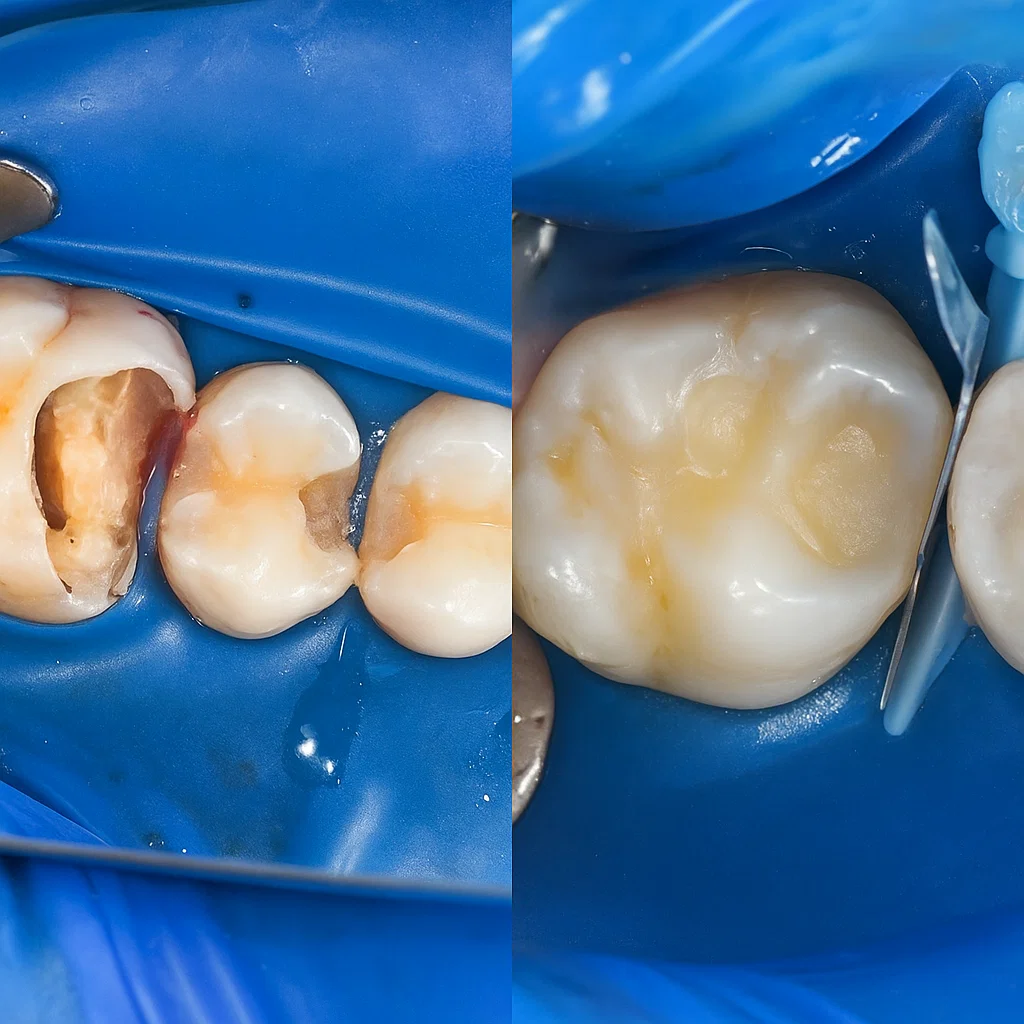
Patients often report tooth pain after undergoing a filling procedure. This is something very normal, because multiple things could get irritated through the process. If the pain persists and does not quiet down within one to two weeks, it is advised to consult your dentist.
Experiencing discomfort after a dental filling can be concerning, especially when you first notice pain while chewing. Understanding the cause of this pain is the first step toward finding relief.
Tooth pain after a filling may occur for many reasons; we’ll discuss them thoroughly in this article.
It’s important to remember that not every ache is nerve pain. Sometimes, soreness in the teeth or jaw comes from the procedure itself rather than the filling.
It’s normal to feel a little off after a dental filling, but it’s important to understand what kind of discomfort you’re feeling. Soreness and pain aren’t the same thing, and they usually mean different things when it comes to recovery.
Soreness is usually dull, aching, and widespread. It might feel like pressure or fatigue around the treated tooth, especially when chewing or talking. This kind of discomfort often comes from:
Soreness is usually transient and resolves with rest, soft foods, and basic pain relief.
Pain tends to be sharper, more localised, and harder to ignore. If you feel a jolt when biting down, or lingering sensitivity to hot or cold that lasts longer than a few seconds, you’re likely dealing with something more than just soreness.
Not sure which option is right for you? Book a free, no-obligation consultation with our dental team and get a personalised plan and honest price breakdown.
There are two reasons why you could feel pain after a filling. The first is if a filling was too high, which can cause sharp or lingering pain when chewing.
This issue requires a revisit to your dentist to adjust the filling to match your bite. A small height difference can throw off your bite and put extra pressure on the tooth, leading to the discomfort you feel when chewing.
The second possibility is that the tooth’s nerves could be irritated. Drilling and filling can stress your inner pulp, especially if you have had cavities that are deep in the tooth. This sensitivity may fade over a few days, but if it persists, it may indicate a problem.
Chewing discomfort is one factor to consider, but it raises a broader question: Is tooth pain after a filling normal, or does it indicate a problem?
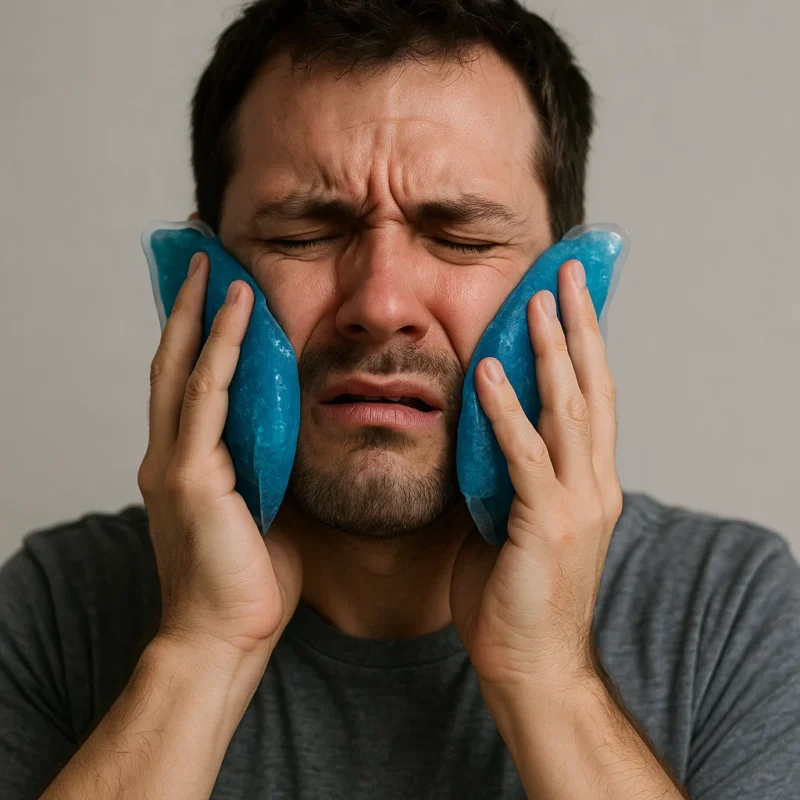
This question does not have a definitive answer, as patients differ from one another.
Typically, soreness is expected, but persistent, sharp, or electric pain in the tooth indicates that something else is at work.
These types of soreness or pain are worrisome and differ from the normal discomfort that follows a procedure.
There are various types of pain that one may experience. We’ll explore them and show you what forms they would take.
Once you know what’s normal, the next concern is timing: how long should you expect this pain to stick around before it fades?
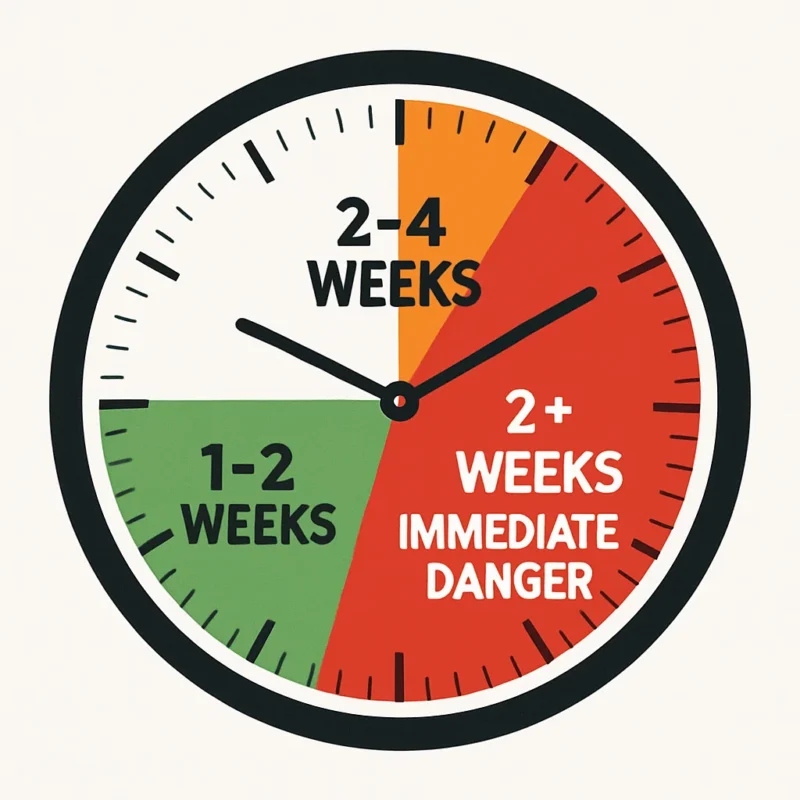
It is expected that some sensitivity after a filling is normal, but the extent and duration depend on several key factors.
Most patients feel mild discomfort for a few days to two weeks. This includes sensitivity to hot or cold drinks, biting pressure, or sweet foods. If everything goes smoothly, the pain should gradually fade without going back to your dentist.
If the pain gets worse, lingers beyond two weeks, or feels sharp and sudden, that’s your cue to consult your dentist. It could be a simple adjustment or something that needs more attention.
A few things can stretch out the healing process:
Even if the pain is short-term, you don’t have to just put up with it. Here’s what helps:
Ibuprofen or acetaminophen are safe go-tos for dental discomfort.
Skip very hot, cold, or sugary foods until sensitivity eases.
Use the other side of your mouth if pressure makes it worse.
Brushing with a product such as Sensodyne may help reduce sensitivity.
Sensitivity that lingers past two weeks, sharp pain when biting, or a filling that feels too high are all worth a quick professional check. Dr. Cem Baysal’s clinic will pinpoint the cause and put you at ease, fast.
Fill in the form below, we’ll get back to you within 24 hours.
If your tooth is hurting months after a filling, this is not normal post-procedure sensitivity, as it’s a sign that something may be wrong.
Pain showing up long after the work is done usually means there’s a new issue developing beneath or around the filling.
Here are some common causes:
Pain months later is a signal that your filling, or the tooth itself, needs to be reassessed. Regular dental checkups help catch these issues early, before they turn into major problems like infection or tooth loss. Even if your filling felt fine at first, pain that develops later isn’t something to ignore.
If your tooth starts hurting again, get it checked. A quick X-ray and exam can reveal whether you need a simple fix or something more involved to protect the tooth.
Lingering discomfort is one thing, but when pain becomes severe, it may indicate that something more serious is occurring.
Mild pain after a filling is expected. But if the pain becomes intense, constant, or unbearable, you may be dealing with a dental emergency.
When tooth pain crosses that line, it’s often a sign that something deeper is wrong, such as an infection, abscess, or nerve damage that wasn’t fully resolved during the filling.
Pain that doesn’t respond to painkillers.
In your face, jaw, or neck.
Signs the infection may be affecting your whole body.
Coming from around the tooth.
To your ear, temple, or throat.
A red flag that needs urgent attention.
These symptoms suggest a possible dental abscess, a serious infection that can spread if not treated promptly. In some cases, emergency treatment or a root canal treatment may be needed to save the tooth and protect your health.
Before assuming the worst, it’s also worth zooming in on the more common scenario: pain that flares up a week after the procedure.
If your toothache is getting worse after a filling, it’s a sign that something’s not right. The table below outlines common warning signs, their possible meanings, and when to take action.
| Warning Sign | What It Might Mean | What to Do |
|---|---|---|
| Throbbing, pulsing, or constant pain | Possible infection or nerve damage | Call your dentist immediately |
| Pain that wakes you up at night | Likely deep pulp inflammation or abscess | Needs urgent evaluation |
| Swelling in the gums, cheek, or jaw | Possible infection spreading | Seek dental care right away |
| Bad taste or odour in the mouth | May indicate an abscess or a leaking filling | Schedule a visit as soon as possible |
| Fever or feeling unwell | Infection may be affecting your overall health | Don’t wait, get seen promptly |
| Pain when chewing that won’t go away | The filling could be too high, or the tooth may be cracked | A dentist can adjust or examine more closely |
| Visible crack or gap in filling | Filling failure, as bacteria can re-enter the tooth | May need a replacement filling |
| Loose or shifting filling | Indicates poor seal or failure of bonding | Filling will likely need to be redone |
| Sensitivity that worsens over time | It could mean nerve irritation, decay, or a faulty seal | The dentist should reassess the tooth |
Home measures handle most post-filling sensitivity, but they only work on the surface. If cold and sweet sensitivity is still bothering you after a couple of weeks of careful eating and desensitising toothpaste, your dentist can apply a professional topical fluoride varnish in the chair. It seals the exposed dentine tubules far more effectively than an over-the-counter paste, and it takes minutes.
A same-visit bite check is worth asking for at the same time. If the filling sits even fractionally high, no amount of fluoride will settle it, and a quick adjustment usually resolves the pain immediately.
Yes, some discomfort after a filling is normal. The drilling, the anaesthetic injection, jaw strain from holding your mouth open and mild gum irritation can all leave the area sore. Most patients feel mild sensitivity to hot, cold, sweet foods or biting pressure. Sharp, electric or throbbing pain is different from ordinary soreness and should be checked by your dentist.
Most patients feel mild discomfort for a few days up to two weeks, after which it gradually fades on its own. Recovery time depends on the type of filling, how deep the cavity was, whether the bite is aligned, the tooth location and your own nerve sensitivity. If pain lasts beyond two weeks, gets worse, or becomes sharp and sudden, contact your dentist.
Pain that persists or worsens over time suggests more than normal healing. Possible causes include a filling left too high, nerve inflammation (pulpitis), a cracked tooth, a loose filling, microleakage around the edges, infection if the pain throbs, or rarely an allergic reaction to the filling material. Sensitivity lingering past two weeks is worth a professional check to pinpoint the cause.
Pain when chewing usually comes from a filling that sits slightly too high, which throws off your bite and puts extra pressure on the tooth. That needs a quick visit to your dentist to adjust the filling. The other possibility is that drilling has irritated the tooth’s inner pulp, especially with a deep cavity. Sharp, localised pain on biting can also point to a cracked tooth.
Over-the-counter pain relief such as ibuprofen or acetaminophen is a safe go-to for dental discomfort. Avoid very hot, cold or sugary foods until the sensitivity settles, and chew on the other side of your mouth if pressure makes it worse. Brushing with a desensitising toothpaste such as Sensodyne may help. If pain is severe, worsening or lasts beyond two weeks, see your dentist.
The good news? Most tooth pain after a filling goes away on its own. Mild sensitivity to temperature, pressure, or sweets is common and usually fades within a week or two.
In the meantime, you can manage the discomfort with:
But while some soreness is normal, there are a few red flags you shouldn’t ignore:
Patients often experience soreness or pain, but with a dentist like Cem Baysal, who offers comprehensive follow-up care, pain is promptly managed.
NHS crown vs private crown – compare cost, speed & materials with Turkey’s affordable, high-quality…
Myths About Mouth Ulcers have been widely associated with various diseases that are not related, In this…
Gingivitis and Periodontitis: A Complete Guide in 2025
See treatment options, what is included and current pricing.


