
IMPLANT DENTISTRY
DENTAL CROWNS
DENTAL BRIDGES
Root Canal
SMILE AESTHETICS
Dental Veneers

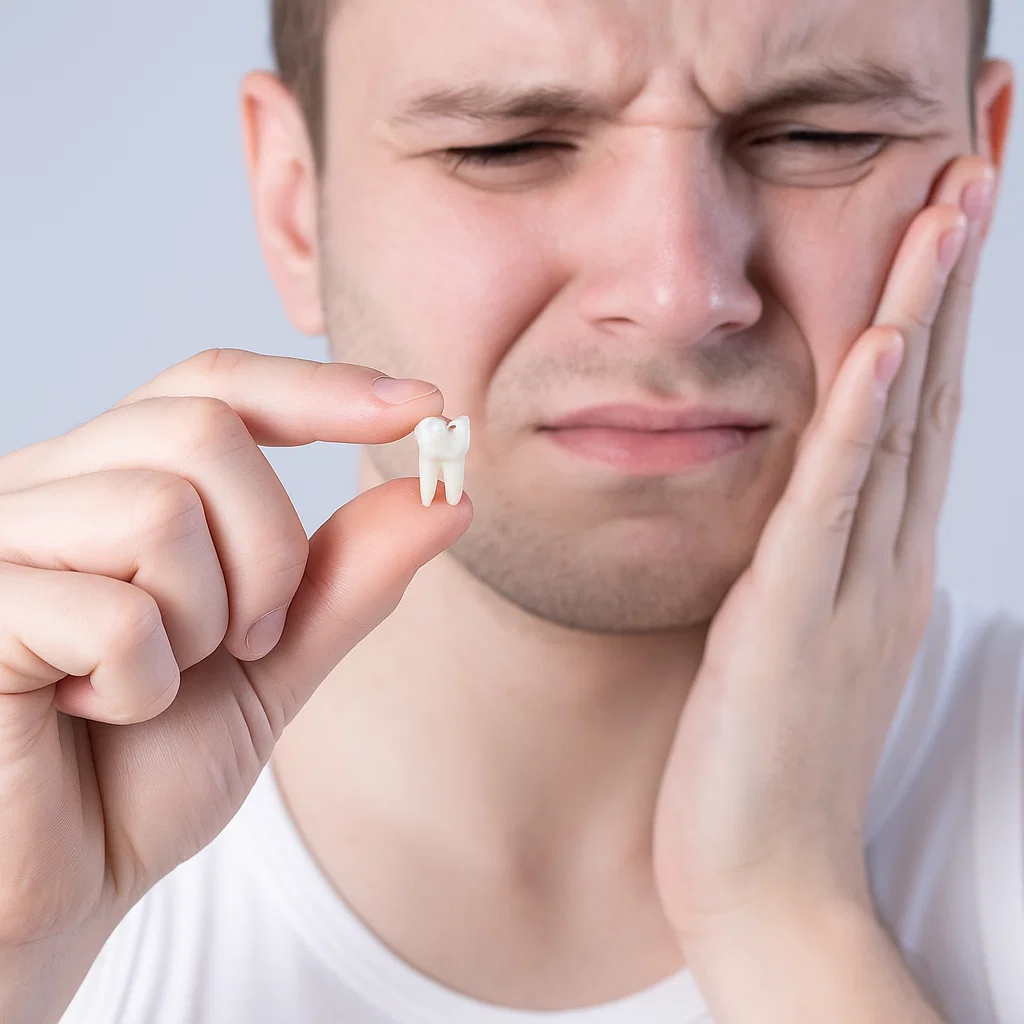
After having a tooth extraction, there are a lot of factors to consider. The tooth that was extracted. Was it a wisdom tooth, a molar, a premolar, or an Incisor?. What was the procedure required? Was it a regular extraction, or did it require surgery and stitches? Do you take specific meds that might affect the healing process? Do you smoke or drink? All these are factors that might affect the healing period and the instructions post-extractions.
After getting your tooth extracted, you can expect discomfort, bleeding, bruising, and swelling. These symptoms typically last a week; if these symptoms persist for more than 2 weeks or the symptoms are not manageable, then you should visit the doctor to check for infections.
Not sure which option is right for you? Book a free, no-obligation consultation with our dental team and get a personalised plan and honest price breakdown.
The NHS advises people to do a couple of things, such as:
by putting a gauze pad and biting firmly on it to stop the bleeding.
by placing an ice pack on your face over the area where the extraction was performed for a couple of hours.
after 24 hours post-extraction. You can mix a teaspoon of salt into a cup of hot but not scalding water and use it. Repeat this mouthwash 3-4 times a day after eating to keep your mouth clean.
avoid strenuous exercise for 24 hours at least. According to a 2022 study, people who had their teeth extracted couldn’t go to work for 1-3 days following the procedure.
till you recover to give your gums enough time to heal.
There are certain activities that you shouldn’t do after you get your tooth extracted.
this can easily disrupt your healing.
this can constrict your blood vessels, which reduces blood flow. Reduced blood flow means less oxygen for your healing tissues.
this can easily reopen the wound or dislodge stitches.
suction from drinking through a straw can dislodge the blood clot.
Hot, Carbonated, or Alcoholic drinks.
as it acts like a blood thinner, and after extraction, a blood clot should form to protect the nerve and bones.
this can dislodge stitches and can damage the extraction area.

You should seek medical assistance in the following cases:
In case you had a high fever after the operation.
Extreme Pain that doesn’t get better with meds.
Excessive bleeding after the operation.
In case you experienced an unpleasant smell/taste.
If there was any drainage (Pus) around the extraction area.
If you experience a dry socket, which is when the blood clot that is supposed to cover the extraction opening never forms so it exposes the bone and nerves underneath.
In case the swelling gets worse.
Once your gums have healed, the right replacement keeps your bite, your smile and your jawbone healthy. Dr. Cem Baysal’s clinic will walk you through every option, from dental implants and bridges to dentures, and build a plan around your mouth.
Fill in the form below, we’ll get back to you within 24 hours.
There are common replacements for lost teeth, like:
This is the closest solution to actual teeth that medical dentistry has reached. It is an artificial tooth that is used in place of the real one, which actually gets fused with the bone over time and acts like a real tooth.
This is a prosthesis used as a replacement for two or more missing teeth, anchored to adjacent teeth.
It is a prosthesis used as a replacement for a couple of teeth that is anchored to an artificial root that is implanted in the gums.
They are one of the most affordable and commonly used replacements for teeth which is a removable prosthesis that is designed to be anchored on the adjacent teeth or glued to the gums using a special adhesive.
Stick to soft foods until you recover, so your gums have enough time to heal. Avoid hard meals and foods, because chewing them can dislodge stitches and damage the extraction area. Skip hot, carbonated and alcoholic drinks, and do not use a straw, since the suction can dislodge the blood clot protecting the site. Rinse gently with warm salt water after eating, starting 24 hours after the extraction.
A dry socket is when the blood clot that should cover the extraction opening never forms, leaving the bone and nerves underneath exposed. Signs that warrant contacting your dentist include extreme pain that does not improve with medication, an unpleasant smell or taste, or drainage of pus around the extraction area. Avoiding straws, vigorous spitting or rinsing, smoking and poking at the site helps protect the clot.
Place a gauze pad over the extraction site and bite down firmly on it to stop the bleeding, as the NHS advises. Some bleeding, bruising and swelling is normal in the first days. An ice pack held against your face over the area for a couple of hours helps minimise swelling. Excessive bleeding after the operation is a warning sign, so contact your dentist if it does not settle.
Discomfort, bleeding, bruising and swelling typically last about a week. If these symptoms persist for more than two weeks, or they are not manageable, see your dentist so they can check for infection. Rest and avoid strenuous exercise for at least 24 hours. A 2022 study found people who had a tooth extracted were unable to work for one to three days after the procedure.
Seek medical help if you develop a high fever after the operation, extreme pain that does not get better with medication, or excessive bleeding. Also contact your dentist if you notice an unpleasant smell or taste, any drainage of pus around the extraction area, swelling that is getting worse, or signs of a dry socket. Symptoms lasting more than two weeks should also be checked.
A smooth recovery comes down to the basics: control the bleeding and swelling, keep the area clean, rest, eat soft foods, and steer clear of anything that can dislodge the healing blood clot. Watch for warning signs like fever, worsening swelling, or a dry socket, and see your dentist if they appear. Once you have healed, dental implants, bridges or dentures can restore your bite and your smile. If you are missing a tooth after an extraction, start with a consultation to find the safest, most comfortable replacement for you.
Replacing the tooth? A 3-unit dental bridge in Istanbul is a common fixed option. See what it costs and how it is fitted.
Tooth Pain After Filling is reported by many patients, especially in the first three days, we’ll explore…
Tooth Pain After Filling is one of the most common questions patient’s ask after getting their…
NHS crown vs private crown – compare cost, speed & materials with Turkey’s affordable, high-quality…
See treatment options, what is included and current pricing.


